- ホーム
- 過去の記事一覧
過去の記事一覧
-

mistake A for B
意味:AをBと間違える形式:mistake + A + for + Bポイント:・AをBだと誤って思う・見間違える。AとBの見た目や性質が似ているために…
-

-

contact someone to say that ~
意味:〜だと伝えるために(人に)連絡する形式:contact + 人 + to say (that) + 節ポイント:・「〜だと知らせるために連絡する」と…
-

be bound for
意味:〜行きである、〜に向かっている形式:be bound for + 名詞(場所)ポイント:・乗り物や人が「〜に向かっている」ことを表す。乗り物の行き…
-

-

-

start / finish + 動名詞
意味:~し始める/~し終える形式:start/ finish + ~ingポイント:start・finish の後は動名詞(doing)が続く。sta…
-

had better / had better not
意味:~した方がいい/~しない方がいい(しないと悪い結果になる)形式:S + had better + 動詞の原形S + had better not +…
-

チケットに関する動詞
意味:チケットを「入手する・予約する・購入する・払い戻す・売り切れる・確保する」形式:get / book / purchase / refund / sel…
-
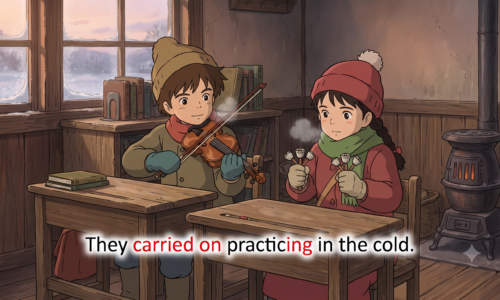
carry on -ing
意味:〜し続ける形式:carry on + -ingポイント:・「中断せずに〜を続ける」。困難や邪魔があっても続けるニュアンスを持つ。困難・障害があって…
-
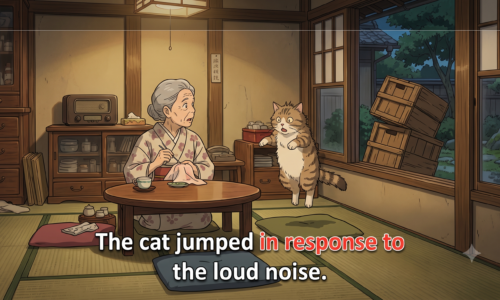
in response to
意味:~に応じて/~に対して/~を受けて形式:in response to + 名詞ポイント:・「〜への対応・返答として」行動のきっかけを示す前置詞句。…
-
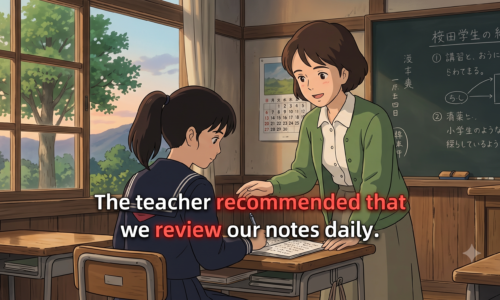
recommend ~ing / that
意味:~することを勧める/~するよう勧める形式:raise + 話題・問題ポイント:recommend that の後は仮定法現在(動詞の原形)を使う。r…
-

in the company of
意味:〜と一緒に、〜とともに形式:in the company of + 名詞ポイント:・「〜と一緒にいる」という状況を描く前置詞句。be動詞や動作動詞…
-

consider -ing
意味:〜することを検討する、〜することを考慮する形式:consider + -ingポイント:・目的語に動名詞(-ing)を取る動詞。「〜しようかどうか…
-

spend + 時間 + -ing
意味:〜して(時間を)過ごす形式:spend + 時間 + 動詞-ingポイント:spend の後は時間表現、その後は動名詞(doing)が続く点が核心。…
-

catch up with
意味:~に追いつく/~に遅れを取り戻す/近況を話し合う形式:catch up with + 名詞catch up with + 人(近況を話す)catc…
-

-

leave A with B
意味:AにBを残す/AをBに預ける形式: leave + 人 + with + 名詞ポイント:物理的に「預ける・残す」から、感情的に「~な気持ちにさせる」ま…
-

risk + ~ing
意味:~する危険を冒す/~するリスクを取る形式: risk + 動名詞ポイント:risk の後は動名詞のみ(to不定詞は不可)。「望ましくない結果になる可能…
-

-

-

-
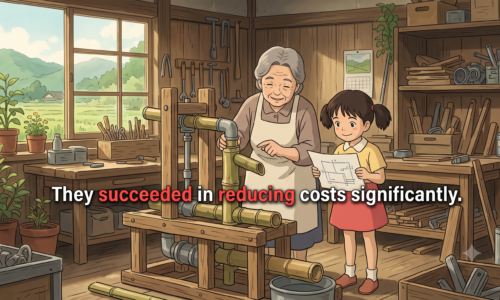
succeed in doing
意味:~することに成功する/うまく~できる形式:succeed in + 動名詞ポイント: manage to とほぼ同義だがよりフォーマルな表現。英文…
-
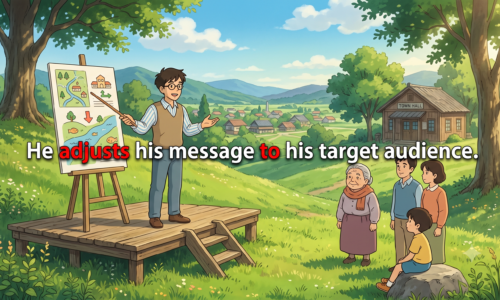
adjust A to B
意味:AをBに合わせる/AをBに調整する形式: adjust + O + to + 名詞ポイント:adjust to(自動詞:適応する)と adjust A…
-
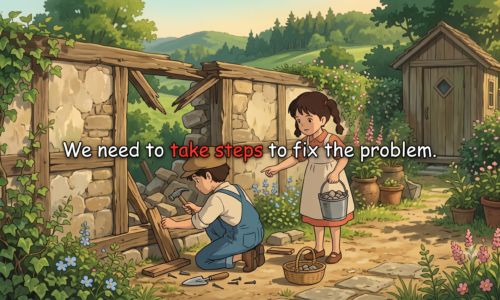
take steps to
意味:手を打つ/対策をとる/措置を講じる形式:take steps to + 動詞の原形ポイント:「問題解決のために具体的な行動をとる」が核心。英文:…
-

required by
意味:~によって義務付けられている/~の規定で必要とされる形式:be required by + 名詞ポイント:「法律・規則・契約などによって義務付けられ…
-

make certain to
意味:必ず〜する、〜することを確実にする形式:make certain to + 動詞ポイント:・make sure to とほぼ同義。「必ず〜してくだ…
-

dispense with
意味:〜なしで済ます、〜を省く形式:dispense with + 名詞ポイント:・「〜を省く・なしで済ます」という意味のやや改まった表現。手続きや形式…
-

-

-

unlikely to
意味:~しそうにない/~する可能性が低い形式: be unlikely to + 動詞の原形ポイント:「可能性が低い」が核心。likely to(~しそうだ…
-

range from A to B
意味:AからBの範囲に及ぶ、AからBまでさまざまである形式:range from + 名詞A + to + 名詞Bポイント:・範囲・幅を示す表現。数値・…
-

-

-

-

go + 形容詞/副詞/句
意味:~の状態になる/~になる形式:go + 形容詞(状態の変化)go + on + 名詞(動作・活動の開始)ポイント:go + 形容詞は「状態の変化」…
-
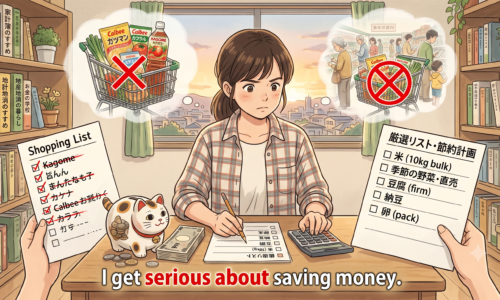
get serious about / on
get serious about / on意味:~について本気になる/~に本腰を入れる/~に厳しく対処する形式:S + get serious ab…
-
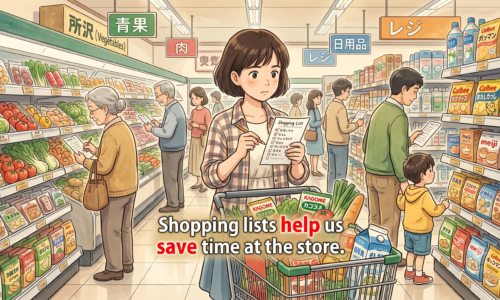
S help (us) (to) save time / money
S help (us) (to) save time / money
意味:~は(私たちが)時間/お金を節約するのに役立つ形式:S + help + (人) + (to) + 動詞の原形S + help + save + 名…
-

can get / become addicted to
意味:~にはまることがある/~に依存するようになりうる形式:S + can get addicted to + 名詞S + can become addi…
-
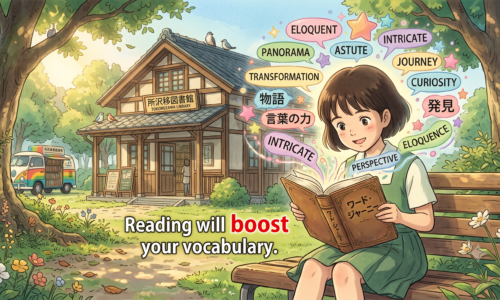
boost / enhance
意味:~を高める/~を向上させる/~を強化する形式:S + will boost / enhance + OS + boost / enhance + O…